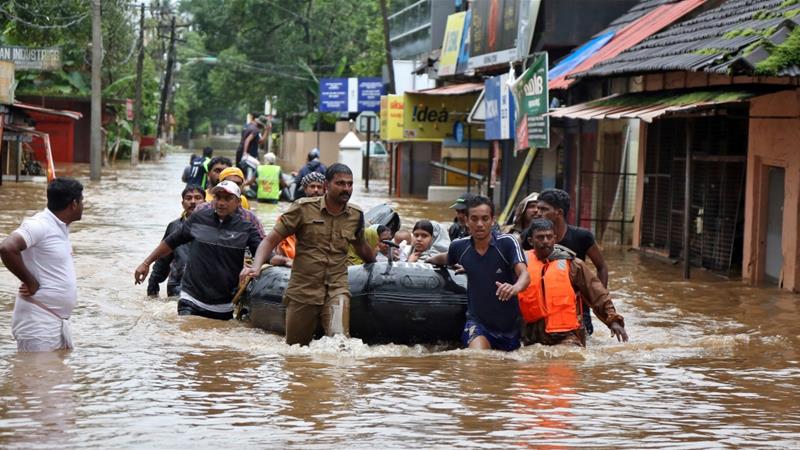
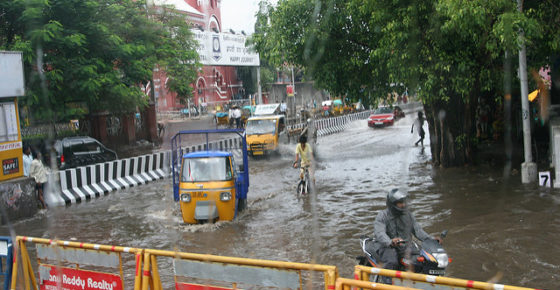
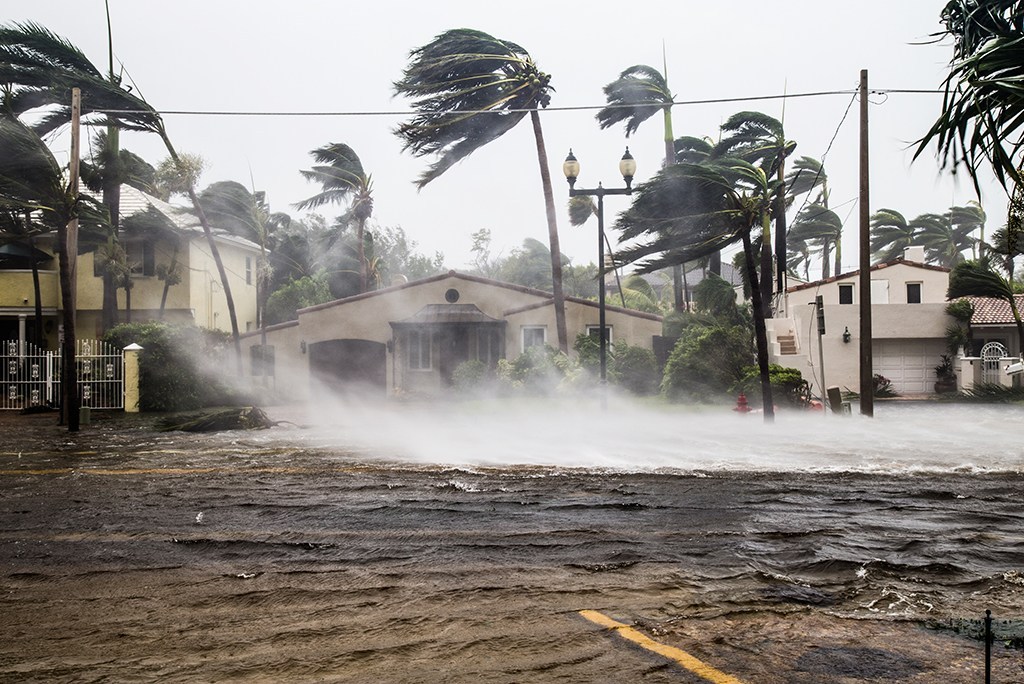
Social media are interactive technologies that allow the creation or sharing/exchange of information, ideas, career interests, and other forms of expression via virtual communities and networks. It helps so many people to interact with each other especially those who have loved ones who are working or living a life already in distance. On the other hand, social media is also considered a useful platform during disasters and calamities. Many have used this platform to ask for help and give help to those who are in need.
Since the mid-1990s, new technologies have emerged that allow people to interact and share information through the Internet. Often called “social media,” these platforms enable people to connect in ways that were non-existent, or widely unavailable 15 years ago. Examples of social media include blogs, chat rooms, discussion forums, wikis, YouTube channels, LinkedIn, Facebook, and Twitter. Social media can be accessed by computers, tablets, smart and cellular telephones, and mobile telephone text messaging (SMS).
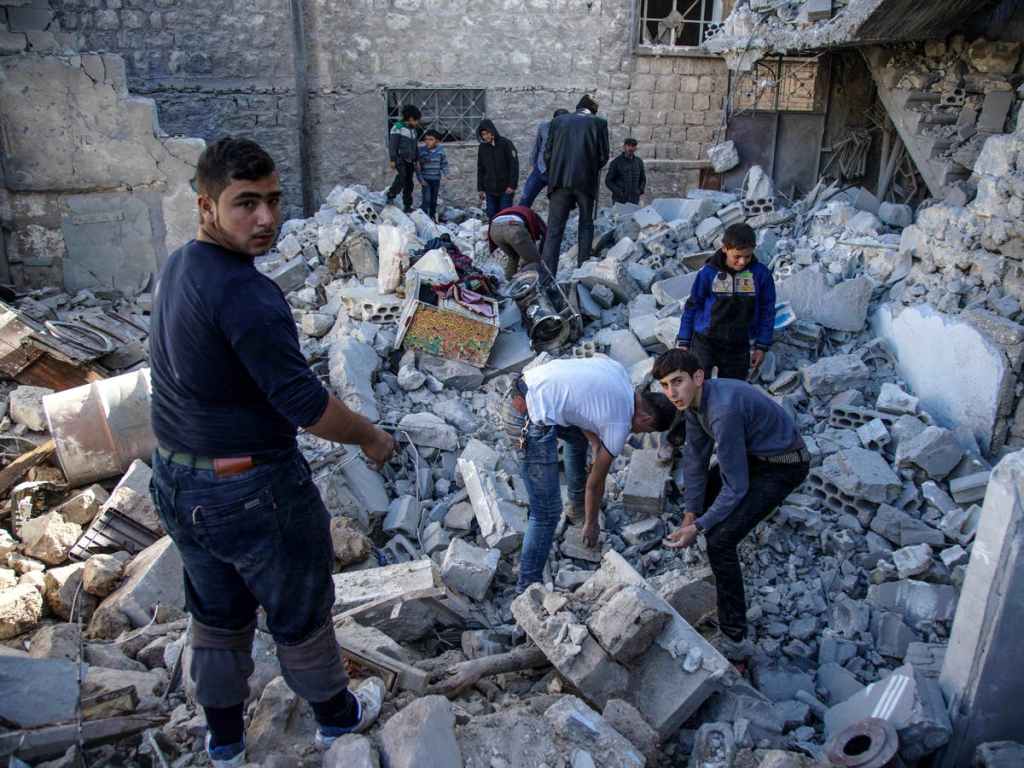
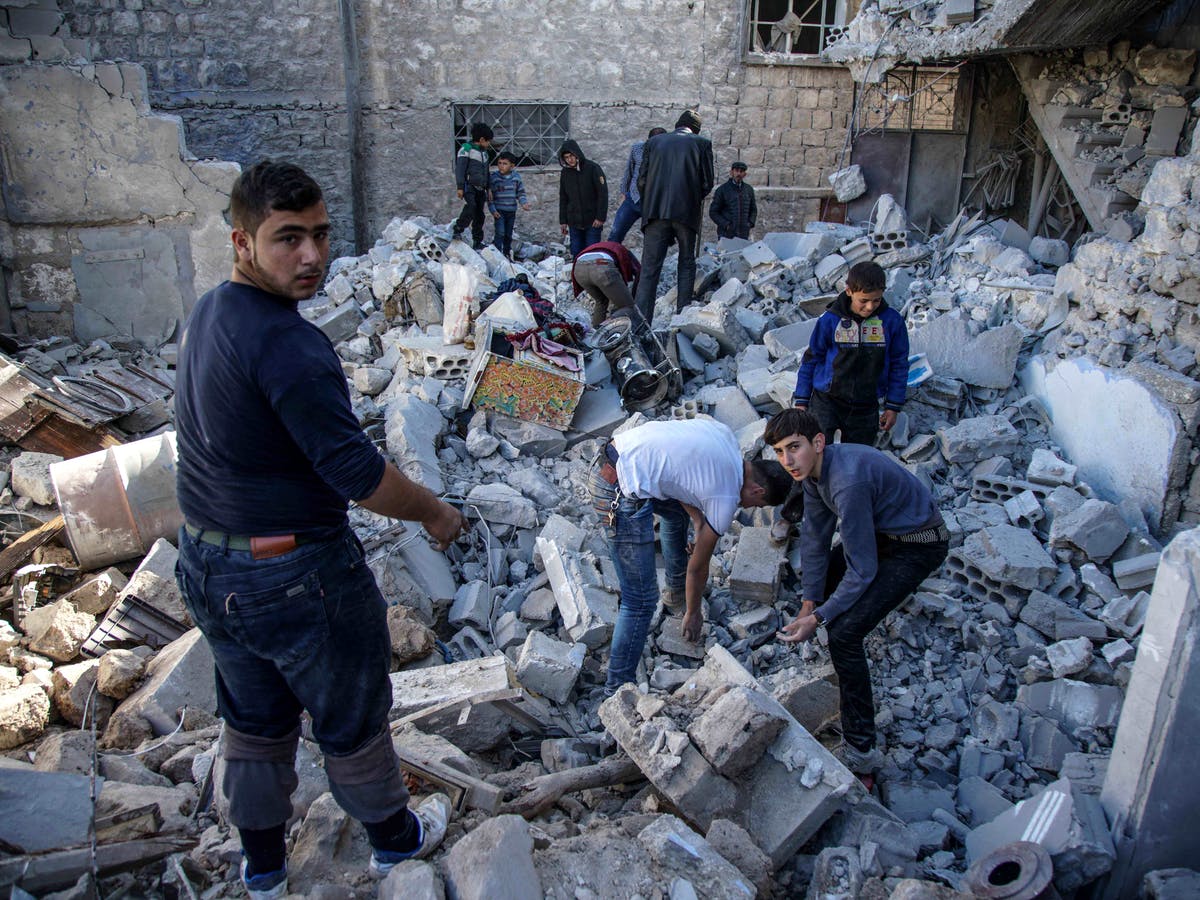
In recent years social media has played an increasing role in emergencies and disasters. Social media sites now rank as the fourth most popular source to access emergency information. They have been used by individuals and communities to warn others of unsafe areas or situations, inform friends and family that someone is safe, and raise funds for disaster relief. Facebook supports numerous emergency-related organizations, including Information Systems for Crisis Response and Management (ISCRAM), the Humanitarian Free and Open Source Software (FOSS) Project, as well as numerous universities with disaster-related academic programs.
Social media has been a great help to inform people around the world that something is happening already and there are people who needs them. The use of social media for emergencies and disasters may be conceptualized as two broad categories. First, social media can be used as an output to disseminate information and issue warnings. Second, it can be used as an emergency management tool through the systematic use of inputs. Examples of systematic usage of social media include using the medium to conduct emergency communications; using social media to receive victim requests for assistance; monitoring user activities to establish situational awareness; and using uploaded images to create damage estimates; conduct investigations; monitor search queries to anticipate flu outbreaks and detect terrorist activity; among others.

SOCIAL VS TRADITIONAL MEDIA
It’s 2016, and professionals are still claiming social media is “on the rise.” According to a recent PR Newswire release, the worldwide social media analytics market is set to grow from $1.6 billion in 2015 to $5.4 billion by 2020.
Among traditional PR agencies, where earned media is king, the juxtaposition between social and traditional media is still a constant battle. I believe that this sense of “either/or” is wrong and that we need to look at the two together, from both a measurement and programming perspective.
Here are a few of the reasons that there are immense differences between traditional and social media:
-Social media reaches a maximum audience, while traditional media’s audience is generally more targeted.
-Social media is versatile (you can make changes once published), whereas traditional media, once published, is set in stone.
-Social media is immediate, while traditional can be delayed due to press times.
-Social media is a two-way conversation, and traditional is one-way.
-Social media often has unreliable demographic data, but traditional media’s is more accurate.
 Veah's blogs